
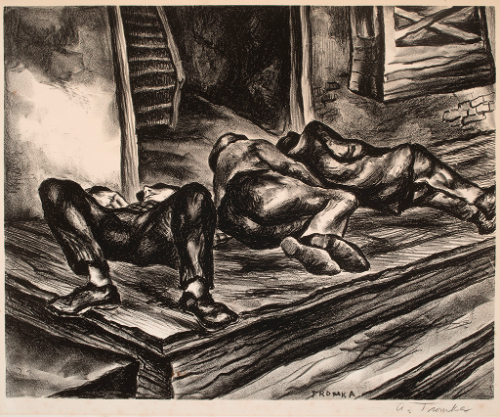
Abram Tromka
American painter and etcher (born Poland), 1896–1954
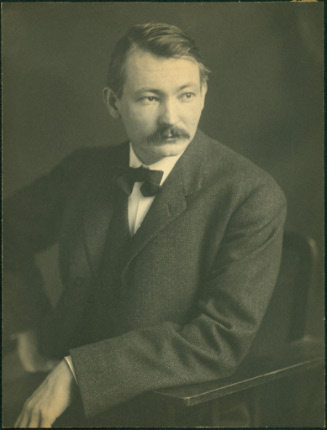
Tromka left home at 15 and spent the remainder of his teenage years living at the Henry Street Settlement. Lilian D. Wald, founder and head of the settlement, was so impressed by young Tromka’s talent for art that the settlement began offering art classes. In 1915, she used his drawings and etchings to illustrate her book, The House on Henry Street. That same year, Tromka began his schooling at the Ferrer School, where he studied under artists Robert Henri (1865-1929) and George Bellows (1882-1925) until 1922.
A regular participant in exhibitions around New York, Tromka had his first solo exhibition at the Brooklyn Museum in 1932, and his work was frequently shown at the ACA Gallery. Following the success of his first Brooklyn Museum exhibition, his art was also shown throughout the country, and a traveling exhibition of serigraphs including his work was shown in the U.S.S.R.
As a member of the New York branch of the American Artists Congress, Tromka participated in membership exhibitions and served on the exhibition committee. He also participated in the Federal Art Project throughout its entire duration from 1935 to 1943. Rather than joining out of necessity, Tromka was invited to the WPA program to offer prestige to the Depression-era program. The industrial subject matter and style of his art during the Art Project continued to resonate with that of Henri’s and Bellows’ realist approach.
Biography from Sullivan Goss Gallery
Person TypeIndividual
Terms
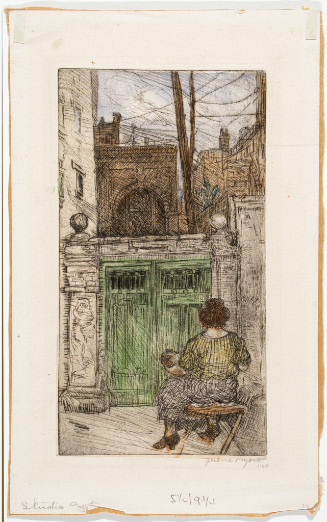
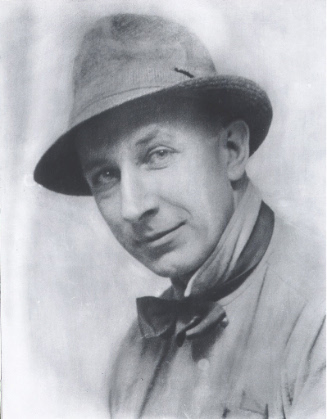
American painter and lithographer, 1882–1925
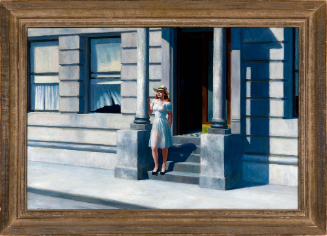
American painter, 1883–1962
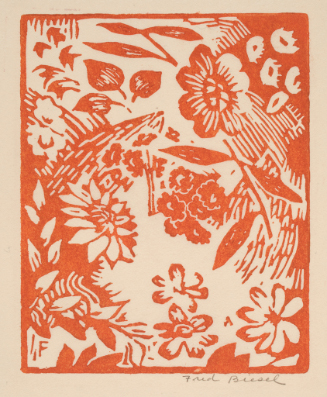
American painter, printmaker, and author, 1886–1989